

Where Can I Buy High-Quality Research Peptides?
The best place to buy high-quality research peptides is a transparent US chemical supplier that proves quality on demand — a batch-matched Certificate of Analysis with 99%+ HPLC purity, mass-spec identity confirmation, and independent third-party testing. This guide explains how premium peptides are made, what separates pharmaceutical from research grade, how to read a COA, and the red flags that should make you walk away.
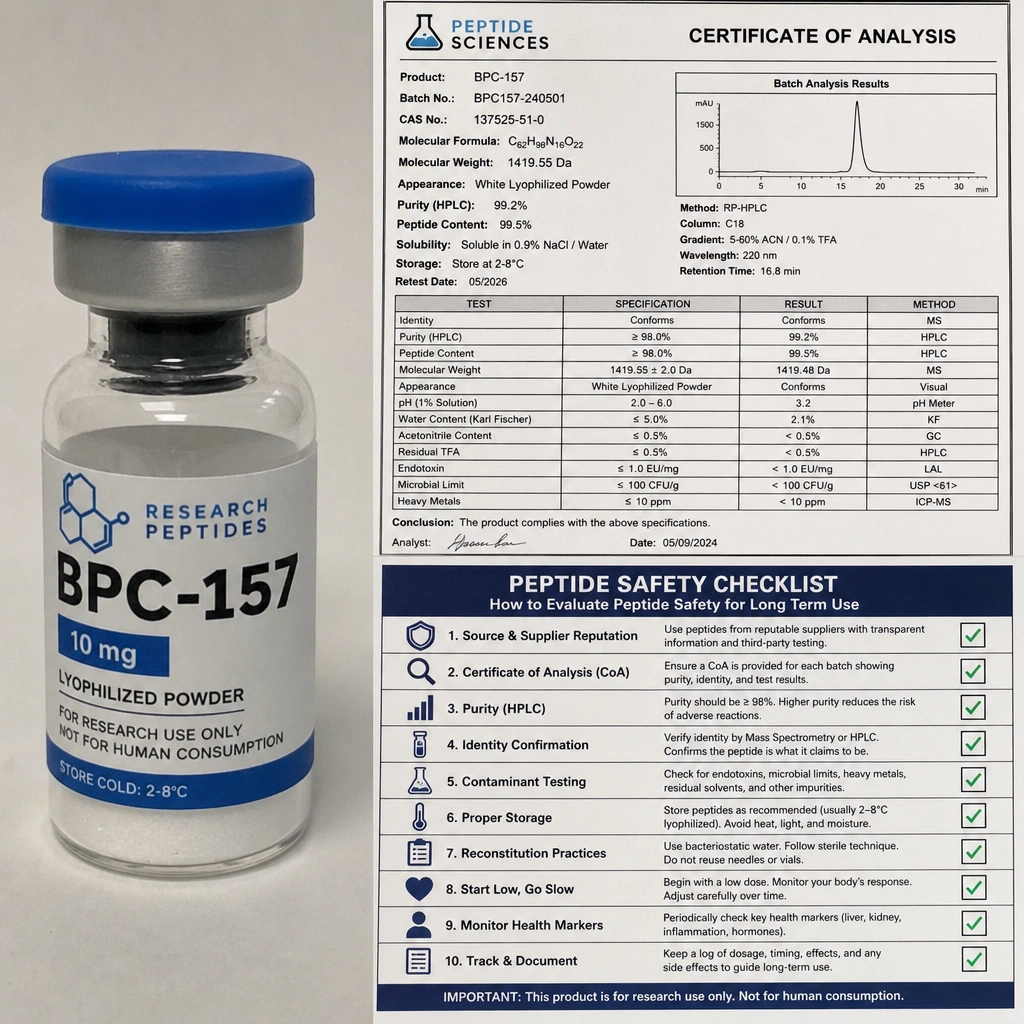
Editorial & research disclaimer: This article is for educational purposes only and is not medical advice. Research peptides are sold for research use only and are not approved for human use, hormonal balance, HGH replacement, injectable peptides, or clinical peptide therapy in most jurisdictions. Always consult a licensed healthcare professional and verify local regulations before handling any peptide.

Quick Answer
Where do you buy high-quality research peptides? From US-based suppliers that publish a current, batch-matched Certificate of Analysis (COA) showing 99%+ HPLC purity and mass-spec identity confirmation from a named independent third-party lab, lyophilize in cleanroom conditions, and ship cold. The quality of a research peptide is only as trustworthy as the documentation behind it.
Avoid vendors that cannot produce a recent, batch-specific COA, that price far below market, or that hide their sourcing — those are the clearest signals of inferior or mislabeled product.
Buy on documentation, not price: a batch-matched COA with 99%+ HPLC purity is the baseline.
Premium peptides are made by SPPS and purified by reverse-phase HPLC, then verified by mass spectrometry.
Pharmaceutical vs research grade: both can be high quality, but research grade requires you to verify it yourself.
A real COA shows purity %, identity (MS), test date, lot number, and the testing lab.
Red flags: missing COAs, extreme discounts, vague sourcing, anonymous ownership, no cold-chain.
What Are Research Peptides?
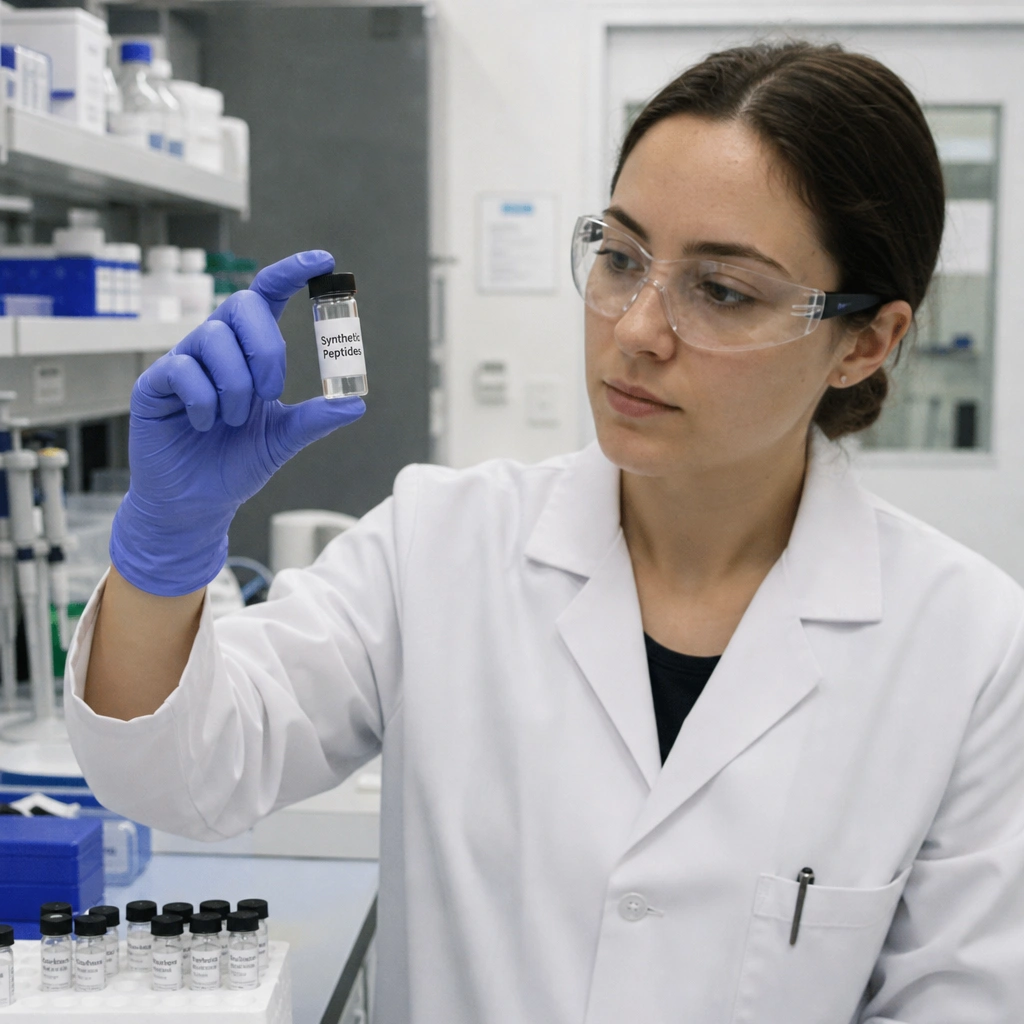
Research peptides are synthetic chains of amino acids acting as signaling molecules, including human growth hormone secretagogues, insulin-like growth factor 1, neuropeptide variants, and collagen peptides, produced for laboratory study, such as investigating regenerative medicine, joint pain, muscle repair, or the tissue healing of ligaments and connective tissue, rather than approved therapeutic use. They serve as precise tools—composed of short chains of amino acids—for scientific research into biological and cell signaling — often used alongside ELISA kits to study often used alongside ELISA kits to study metabolism, fat loss, growth hormone pathways, muscle growth, injury recovery, collagen production, tissue repair, immune modulation, and more. Because they are sold for research, including studies on body composition, muscle strength, endurance, and tissue regeneration, the burden of verifying quality falls on the buyer, which is why understanding how they are made and tested is so valuable.
How Premium Peptides Are Synthesized
Most research peptides are produced by solid-phase peptide synthesis (SPPS) — a common method for custom peptide synthesis—where the chain is assembled one amino acid at a time on a solid resin, with reagents washed away between steps. The accuracy of the amino-acid sequence is everything: in a sequence like BPC-157, which is often studied for angiogenesis, AOD-9604 or semaglutide for metabolic health, IGF-1, or a growth hormone-releasing hormone (GHRH) that acts on the pituitary gland like CJC-1295 or Sermorelin—often studied alongside resistance training—a single wrong or missing residue produces a different molecule with different (or no) activity. After assembly, whether for a compound like Ipamorelin to study physical performance and muscle protein synthesis, thymosin beta-4 for wound healing, or other GHRPs (growth hormone-releasing peptides), the crude peptide is purified and verified.
For a deeper explanation, see PrymaLab's guide on how peptide synthesis techniques are performed.
Pharmaceutical vs Research Grade: What's the Difference?
| Factor | Pharmaceutical Grade | Research Grade |
|---|---|---|
| Intended use | Approved human therapeutics | Laboratory research only |
| Oversight | Regulated GMP manufacturing | Variable; verify per vendor |
| Documentation | Regulatory + batch records | Batch COA (buyer verifies) |
| Human safety data | Established for approved uses | Generally none |
| Your job as buyer | Use as prescribed | Verify purity, identity, sourcing |
Decoding Quality: How to Read a COA
The Certificate of Analysis is the single most important document when buying research peptides. A valid COA contains several key pieces of information you should check every time:
- HPLC purity — ideally 99%+ for research peptides, shown with a chromatogram (not just a number).
- Mass spectrometry (MS) identity — confirming the measured molecular weight matches the labeled peptide.
- Test date — recent, from a named independent third-party laboratory.
- Lot/batch number — matching the number printed on your vial.
- Peptide content / net mass — so you know how much actual peptide is in the vial.
Why HPLC, Mass Spec, and Third-Party Testing Matter
HPLC, or high-performance liquid chromatography, separates the contents of a vial and quantifies purity, catching contaminants and truncated sequences. Mass spectrometry confirms identity by molecular weight. Independent third-party testing, often utilizing tools like ELISA kits for specific protein detection, removes the conflict of interest in a manufacturer grading its own product. Together they answer the only two questions that matter: is this the right molecule with the correct potency, and is it clean?
How to Identify Reputable Suppliers (and Spot Red Flags)
Reputable suppliers make verification easy and put their name behind the product. Watch for these warning signs of inferior or unsafe sources:
- Visual/physical signs: discolored powder, broken seals, no lot number, sloppy labeling.
- Documentation signs: no COA, generic “purity certificate,” undated or blurry test results.
- Commercial signs: prices far below market, anonymous ownership, no US address or support, no return policy.
- Labeling signs: consumer/medical claims layered onto a research-only product.
Use PrymaLab's research peptide catalog of catalog peptides and Research Hub as a benchmark for the transparency standards to expect when evaluating catalog peptides.
Storage and Handling After Purchase
- Store lyophilized vials cold and dark — refrigerate or freeze unopened material.
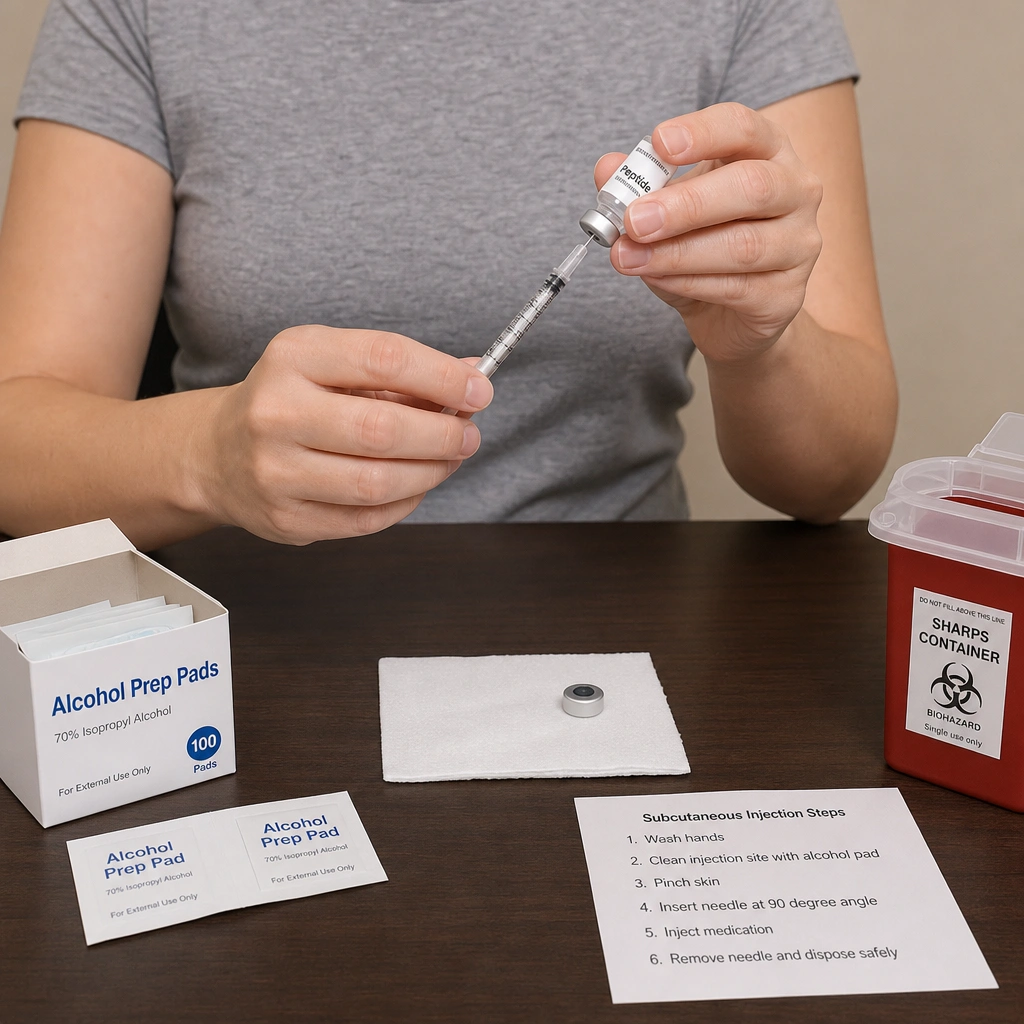
- Reconstitute with bacteriostatic water per the supplier's ratio, swirling gently.
- Refrigerate reconstituted solution and use within the stated window.
- Use sterile technique and avoid freeze-thaw cycles once reconstituted.
Buy research peptides on proof, not promises.
PrymaLab focuses on US-handled research peptides for studying muscle recovery and soreness with transparent, batch-specific COAs, HPLC/MS verification, and cold-chain shipping.
Explore PrymaLab Research PeptidesFrequently Asked Questions
Where can I buy high-quality research peptides?
From US-based suppliers that publish a current, batch-matched Certificate of Analysis showing 99%+ HPLC purity and mass-spec identity confirmation from a named independent third-party lab, lyophilize in cleanroom conditions, and ship cold. The quality of a research peptide is only as trustworthy as the documentation behind it.
What makes a peptide 'high quality'?
High quality means verified purity and identity: 99%+ HPLC purity with a clean chromatogram, mass-spec confirmation that the molecule matches its label, sterile cleanroom manufacturing, and a batch-specific COA from an independent lab. Marketing language is not quality; documentation is.
How do I read a peptide Certificate of Analysis (COA)?
Check five things: HPLC purity (ideally 99%+ with a chromatogram), mass-spec identity confirmation, a recent test date from a named third-party lab, a lot number that matches your vial, and the peptide content. If any are missing — or the COA is generic, undated, or blurry — treat it as a red flag.
What is the difference between pharmaceutical and research grade?
Pharmaceutical grade is made under regulated GMP manufacturing for approved human use with established safety data. Research grade is for laboratory use only, with quality that varies by vendor and no human safety data, so the buyer must verify purity, identity, and sourcing through the COA.
Why is third-party testing important?
Independent third-party testing from a reputable biotech lab removes the conflict of interest in a manufacturer grading its own product. Combined with HPLC (which measures purity and catches contaminants) and mass spectrometry (which confirms identity), it answers the two questions that matter most: is this the right molecule, and is it clean?
What are the red flags of a low-quality peptide supplier?
Warning signs include missing or generic COAs, undated or blurry test results, prices far below market, anonymous ownership with no US address or support, no return policy, sloppy packaging or discolored powder, and consumer or medical claims on a research-only product. Any of these is a reason to walk away.
How should I store research peptides?
Keep lyophilized vials cold and dark — refrigerate or freeze unopened material. After reconstitution with bacteriostatic water, refrigerate the solution, protect it from light and heat, use sterile technique, and avoid freeze-thaw cycles. Always follow the supplier's specific handling instructions.
Are research peptides legal to buy?
Research peptides are sold for research use only and are not approved for human use in most jurisdictions; buying them for personal use sits in a legal gray zone that varies by region. Confirm your local regulations, and buy only from suppliers that label products for research use and require age verification.
References & Further Reading
- Merrifield, R.B. (1963). Solid Phase Peptide Synthesis. Journal of the American Chemical Society, 85(14), 2149–2154.
- United States Pharmacopeia. General Chapter <1225>: Validation of Compendial Procedures (HPLC method validation).
- Lau, J.L., & Dunn, M.K. (2018). Therapeutic peptides: historical perspectives and trends. Bioorganic & Medicinal Chemistry, 26(10), 2700–2707.
- U.S. Food and Drug Administration. Compounding and the FDA: Questions and Answers. FDA.gov. Accessed 2026.
PrymaLab resources: Research peptides · Peptide synthesis techniques · Research Hub · Peptide calculator · FAQ.
Final disclaimer: This article is for educational purposes only. Research peptides and the other compounds discussed are sold for research purposes only and are not approved by the FDA or comparable agencies for human therapeutic use. Statements about their effects have not been evaluated by the FDA.
Always consult a licensed healthcare professional before starting any new health protocol, and verify the legal status of any compound in your jurisdiction. PrymaLab does not endorse any specific third-party peptide vendor mentioned in this article and assumes no responsibility for third-party products.